

Introduction to Breastfeeding
Understanding the Design, Rhythm, and Sacred Bond of Feeding Your Baby
Breastfeeding is one of the most beautiful ways God designed a mother and baby to connect — physically, emotionally, and spiritually. In this faith-infused, evidence-based breastfeeding class, you’ll learn how your body works, what to expect in the early days, and how to begin your breastfeeding journey with confidence, clarity, and peace.
This class is perfect for Christian moms who want trusted, compassionate guidance rooted in both biology and God’s design..
What You’ll Learn in This Breastfeeding Class
-
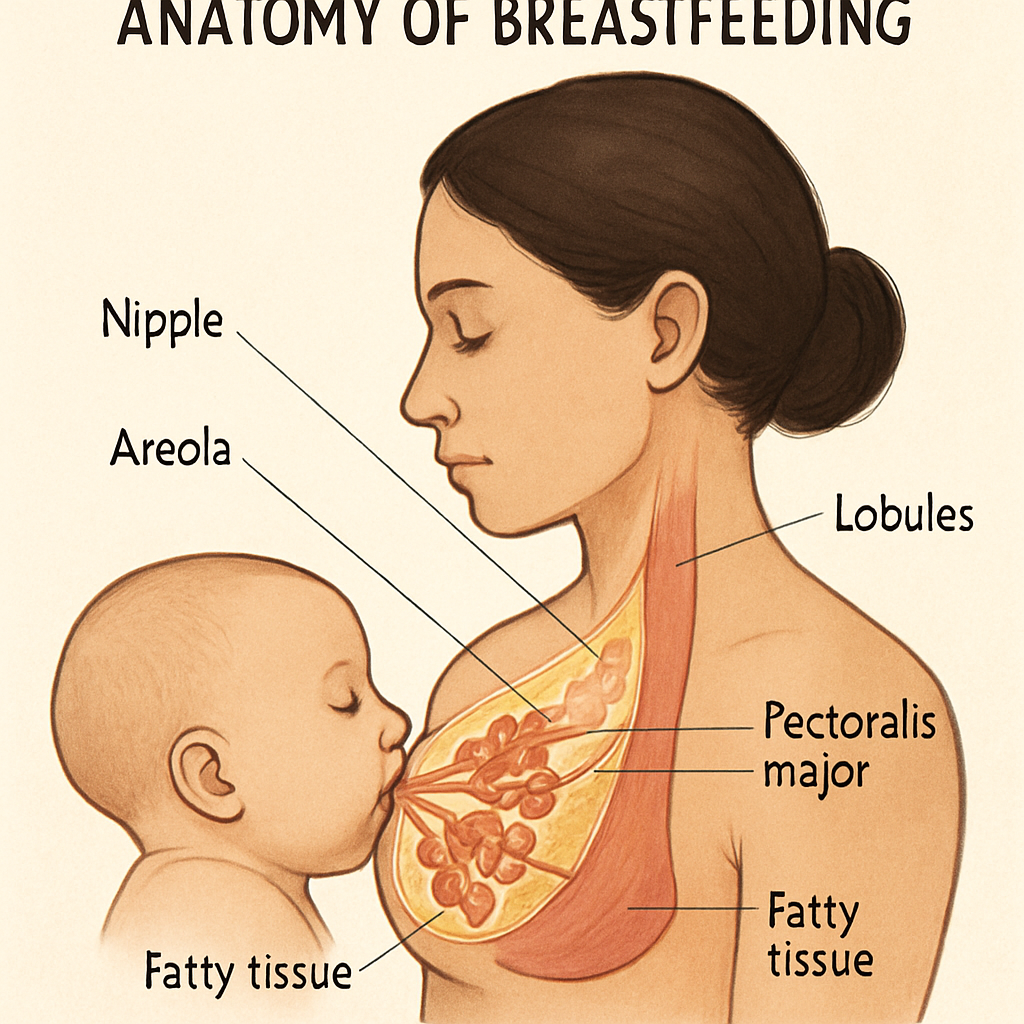
Anatomy & Physiology of Breastfeeding
The Hormonal Symphony: How Prolactin and Oxytocin Work
Understanding the "why" behind your body’s ability to nourish your baby can turn anxiety into awe. Breastfeeding isn't just a physical act; it is a finely tuned hormonal process triggered by your baby.
Prolactin (The Maker): Every time your baby suckles, your body receives a signal to release prolactin. This hormone is responsible for milk production. It’s often highest at night, which is why those late-night feedings are so vital for building a long-term supply.
Oxytocin (The Messenger): Known as the "love hormone," oxytocin causes the muscles in the breast to contract, pushing milk into the ducts. This is the let-down reflex. Because oxytocin is tied to your emotional state, skin-to-skin contact and prayer can actually help trigger this flow.
-
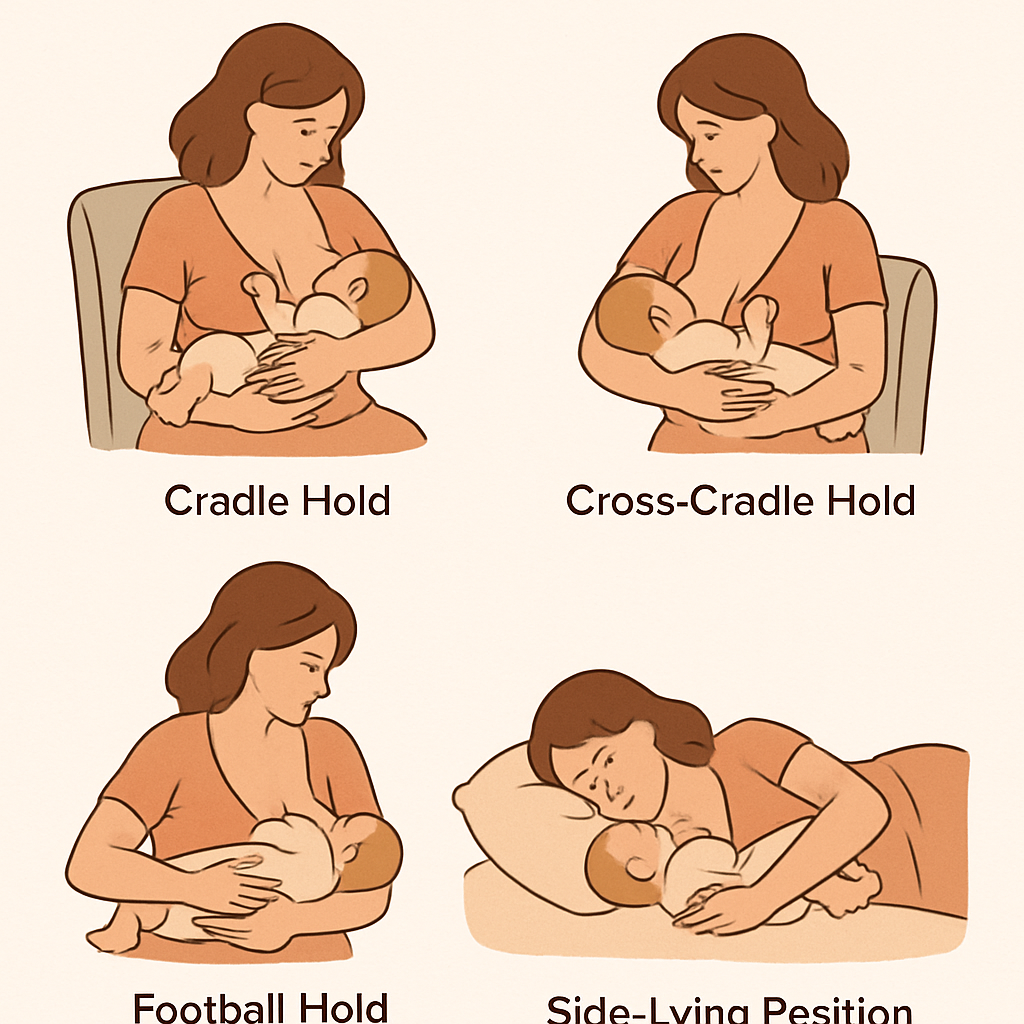
Breastfeeding Positions & Latch Techniques
Learn how to hold your baby comfortably, safely, and effectively.
We’ll cover:The most common breastfeeding positions
How to achieve a deep, pain-free latch
How proper positioning improves milk transfer and reduces nipple soreness
-

Your First Few Days of Breastfeeding
The early hours and days matter — and small choices make a big difference.
You’ll learn about:Skin-to-skin contact & rooming-in
Feeding on demand
Why early bottles can affect latch and milk supply
How to establish a confident start from day one
-
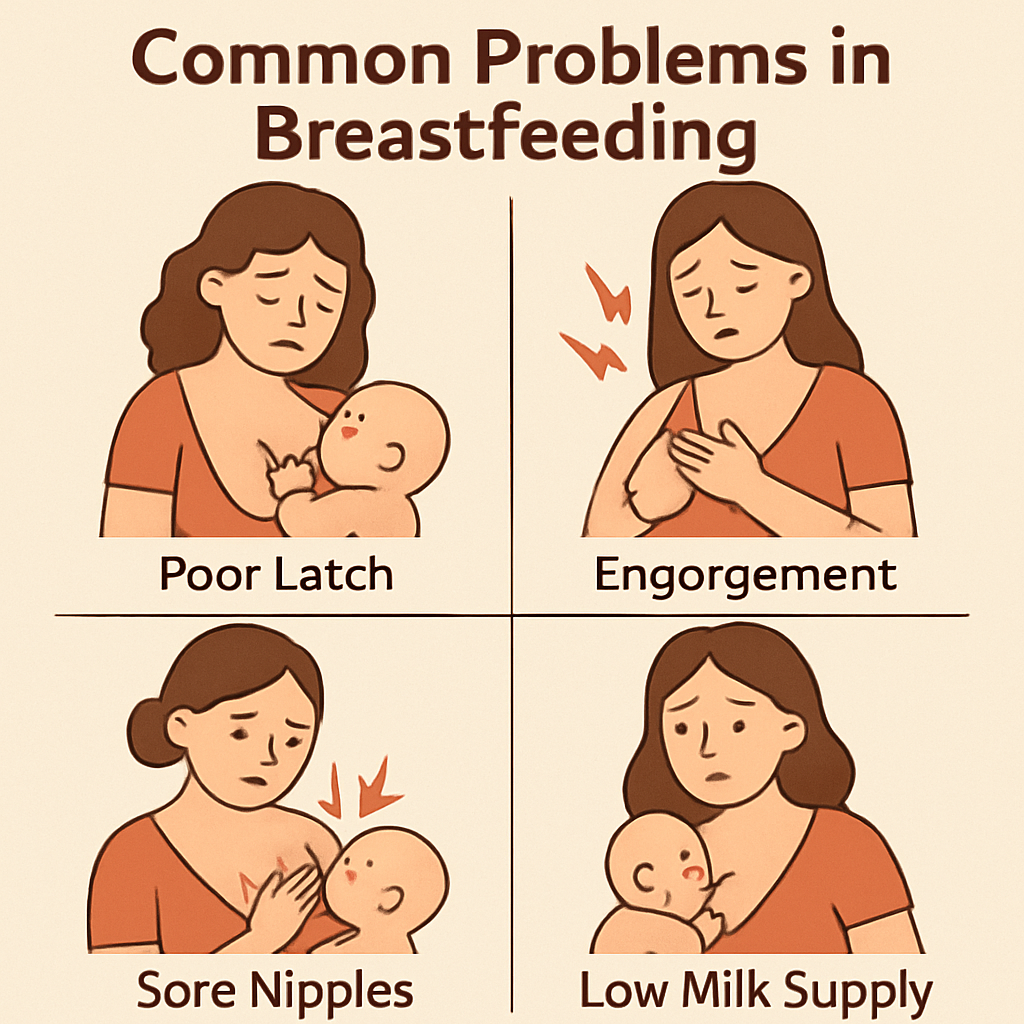
Common Breastfeeding Challenges (and How to Overcome Them)
We’ll talk through real-life struggles most moms face and how to handle them with calm and clarity.
You’ll learn:What to do if baby doesn’t latch right away
How to heal sore nipples
What to do about engorgement
When to seek additional help and support
-

Support, Encouragement & Resources
You’re not meant to walk this journey alone.
You’ll receive:Recommendations for local Christian-friendly support groups
Guidance on when to connect with a lactation consultant
A list of trusted books and postpartum breastfeeding tools
Why Christian Moms Love This Class
Faith-centered + evidence-based instruction
Practical, hands-on teaching you can use immediately
Led by a certified birth & lactation educator
A supportive, welcoming space for Christian mothers
Encouragement that continues long after class is over.

Meet Your Instructor — Melanie Powell
Hi, I’m Melanie, founder of Little Flower Birth Services. As a birth and lactation educator, my passion is helping Christian mothers understand the beauty and purpose behind God’s design for breastfeeding. My goal is to give you confidence, clarity, and compassionate support during this sacred season of motherhood.

Begin Your Breastfeeding Journey with Confidence
Join our Introduction to Breastfeeding class and learn how to nourish your baby through a blend of science, practical skill, and Christ-centered encouragement. Leave feeling peaceful, empowered, and prepared.
Frequently Asked Questions: Breastfeeding & Newborn Care
-
Many first-time moms worry about low milk supply. The most reliable signs of effective milk transfer are your baby’s output and weight gain. Look for 6+ heavy wet diapers and 3+ yellow, seedy stools daily by the end of the first week. We teach you how to listen for audible swallowing and recognize infant hunger cues like rooting and hand-to-mouth movements before they start crying.
-
Breastfeeding is driven by two primary hormones: Prolactin and Oxytocin. Prolactin is responsible for milk production, while Oxytocin triggers the let-down reflex, allowing milk to flow. Because these hormones are sensitive to your environment, our DFW childbirth classes emphasize creating a peaceful "sanctuary" to support a healthy hormonal balance.
-
While postpartum anxiety doesn't physically "stop" your body from making milk, high levels of cortisol (the stress hormone) can inhibit your let-down reflex. Learning calming techniques for breastfeeding, such as deep breathing and scripture meditation, helps lower stress so your oxytocin can flow freely, ensuring your baby feeds effectively.
-
Finding a comfortable breastfeeding position is key to preventing nipple soreness. In our Architect’s Design series, we demonstrate the Cross-Cradle hold (ideal for newborns), the Football hold (excellent for C-section recovery), and the Side-lying position (best for nighttime feedings and maternal rest). A deep latch should feel like a firm tug, never a pinch or bite.
-
Pain is often a sign of a shallow latch. To ensure a painless breastfeeding experience, aim for a "chest-to-chest" connection where the baby’s chin is tucked deep into the breast and their nose is slightly away. If you experience persistent pain, we recommend a consultation with an IBCLC (Lactation Consultant) or attending our in-person birth support classes in DFW.